
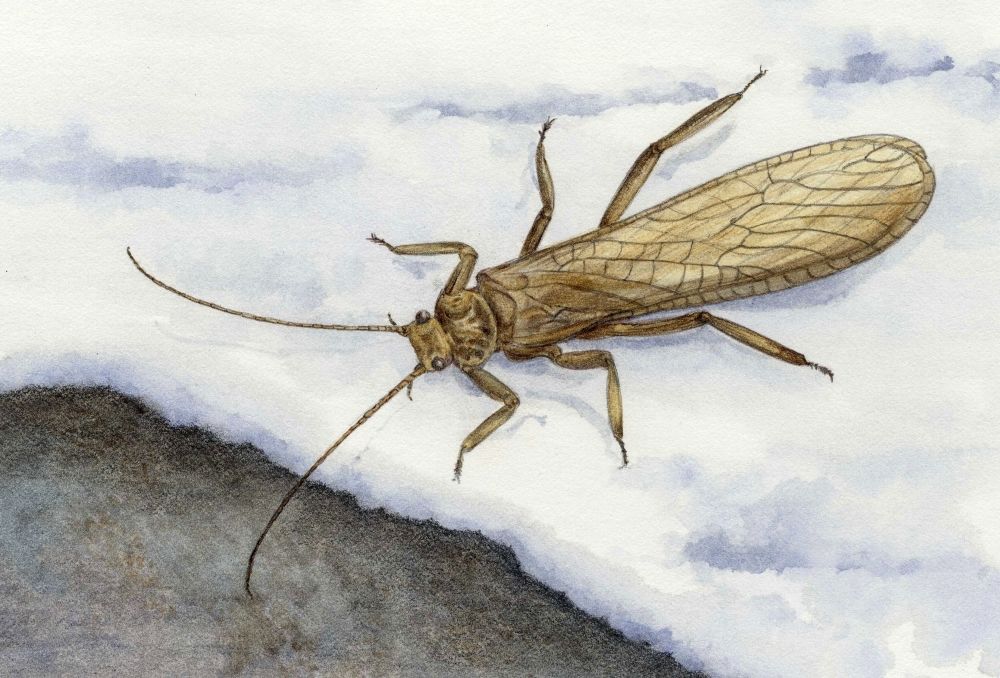
Western Glacier Stonefly
Latin name: Zapada Glacier,Conservsation status: vulnerable (population is decreasing)
One of 3,500 species of Stoneflies, this rare insect breeds in only a few cold water streams immediately below melting glaciers or next to permanent snowfields in Glacier National Park, USA.
Since 1960, the average summer temperature in Glacier National Park has increased by around 1 °C and glaciers have declined by 35%. By counting Stoneflies, scientists can determine how quickly glaciers are melting and the temperature of streams. In a two year search begun in 2011, scientists found the Stonefly in only one of the six streams it had previously occupied and discovered that it had retreated to two different streams at higher altitudes. Satellite data confirm that the world’s glaciers are declining, affecting the availability of fresh water for humans, animals and plants, and contributing to sea level rise.
Other animals at risk

Before 1800 there were an estimated 10–20,000 Whooping Cranes in North America. By 1941, because of hunting and habitat destruction, there were fewer than 20. There are now approximately 350–380 in the wild. The wild Whooping Crane population has only one winter habitat—a wildlife refuge on the Gulf Coast in Texas; and one spring breeding habitat—a prairie wetlands in Alberta. Severe storms, sea level rise, drought, industrial development and oil spills threaten these habitats. Another significant threat to young Whooping Cranes is colliding with power lines in their migration corridor.
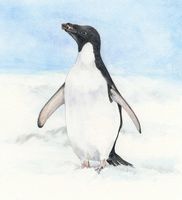
In winter, the sun doesn't rise south of the Antarctic Circle. If Antarctic sea ice decreases and does not extend far enough to the north, Adélie Penguins, during their winter migration, may not be able to reach the sunlight needed to navigate, hunt and avoid predators—they won't dive in the dark. Other threats are oil pollution, fishing and disturbance of colonies from research stations and aircraft.
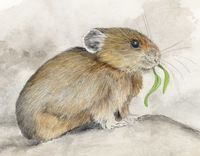
Pikas live primarily in cool micro-climates on rocky slopes, feeding in adjacent meadows. Warmer temperatures and reduced snowpack are the main threats. Some Pikas may move to higher, cooler regions if there is enough vegetation. Pikas living in lower, warmer regions are at risk if they attempt to move to other regions as they are extremely sensitive to heat—more than two hours in temperatures over 78 °F can be lethal. Without enough winter snow for insulation, Pikas will freeze.
In the last 30 years the Staghorn Coral population has decreased by 80% from disease, pollution, development and damage. Climate change is increasing the risk of extinction. Corals live in symbiotic (mutually beneficial) relation with algae. The coral receives nutrients and oxygen from algae, and the algae receive nutrients and carbon dioxide from the coral. Rising sea temperature increases algae growth so oxygen levels become too high for the coral, causing "bleaching"—the coral expels the algae and dies. Higher ocean acidity contributes to bleaching and also reduces the ability of corals and other marine animals to build hard shells. Other threats from climate change are sea level rise, changes in currents and storm damage.
The Western Glacier Stonefly is at risk from climate change because of: