
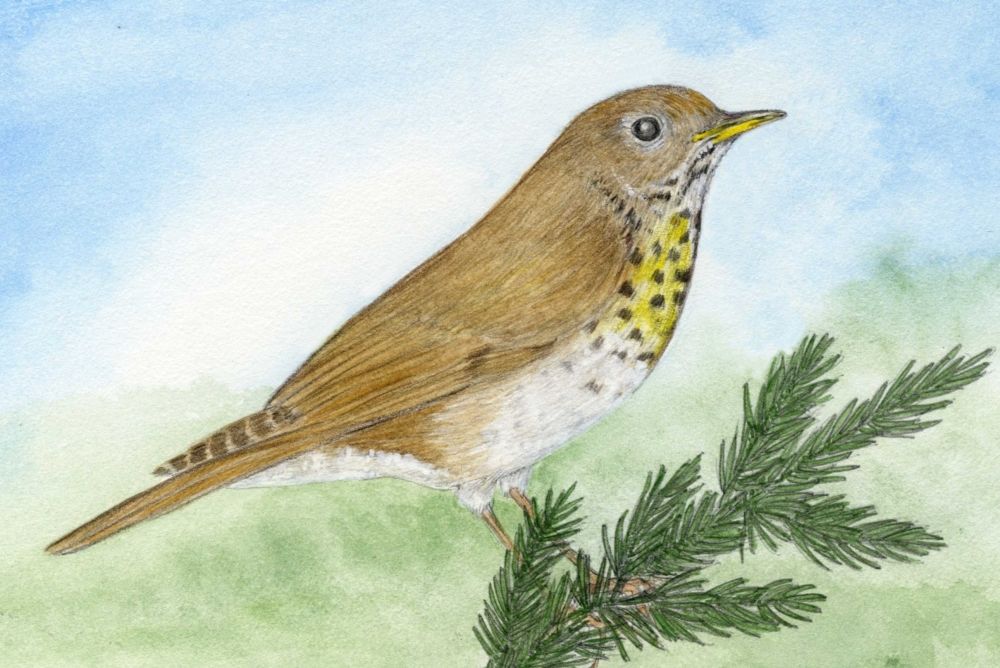
Bicknells Thrush
Latin name: Catharus bicknelli,Conservsation status: vulnerable (population is decreasing)
One of the rarest birds in North America, the female may have up to four mates at one time.
The breeding habitat of Bicknell's Thrush is primarily restricted to mountain spruce forests of Northeastern US and Canada. They winter in the Caribbean and spring migration north is cued by day length. If spring arrives early in the north and the Thrushes arrive at their normal time, the abundance of food—insects and fruit—would already have peaked. Warming temperatures also produce an abundance of spruce and fir cones—feeding and increasing the population of Red Squirrels, a main predator of eggs and chicks. Storms and hurricanes threaten the Thrush's tropical winter habitat. Pollution, logging and deforestation threaten their spring breeding and winter habitats.
Other animals at risk
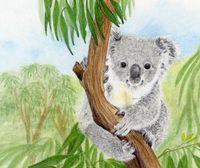
Koalas live in the woodlands of Australia. Thick fur and skin make it difficult for them to adapt to rising temperatures. Increased CO2 in the air produces less protein in the eucalyptus leaves, forcing the Koala to search for other sources of food and, in times of high heat, water. On the ground, the slow moving Koalas are prey to wild dingoes and domestic dogs, or are hit by cars as they cross roads. Their habitats are also being destroyed by drought, bush fires and development.
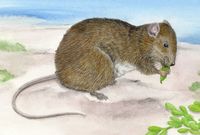
The Bramble Cay Melomys was the first species to be declared extinct because of climate change. Sea level rise and storm surges washed away its habitat, food and the last of the population. In 2014 scientists went searching in the hopes of starting a breeding program but were unable to find a pair. Other sea birds and turtles that live on the Cay are also threatened by storm surges and sea level rise.
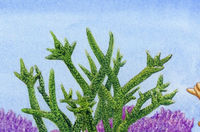
In the last 30 years the Staghorn Coral population has decreased by 80% from disease, pollution, development and damage. Climate change is increasing the risk of extinction. Corals live in symbiotic (mutually beneficial) relation with algae. The coral receives nutrients and oxygen from algae, and the algae receive nutrients and carbon dioxide from the coral. Rising sea temperature increases algae growth so oxygen levels become too high for the coral, causing "bleaching"—the coral expels the algae and dies. Higher ocean acidity contributes to bleaching and also reduces the ability of corals and other marine animals to build hard shells. Other threats from climate change are sea level rise, changes in currents and storm damage.

Clownfish live in the shallow waters of coral reefs where they have a mutually beneficial relation with a few species of sea anemone. The anenome protects the Clownfish, and the fish's swimming aerates the water around the anenome. Clownfish are unable to move long distances, and rising ocean temperature and acidity is a threat to their coral reef habitats. Increased acidity also seems to impair their ability to navigate to their home anemones.
The Bicknells Thrush is at risk from climate change because of:The Bicknells Thrush is also threatened by: